Professional Deck Builders for Every Budget: Schedule Your Free Estimate
Identifying a dependable deck builder that fits your budget can strongly affect the results of your home improvement project. Property owners often experience obstacles in choosing the right expert who can balance cost and craftsmanship. Free project assessments serve as a helpful tool in this process, allowing for a clearer understanding of expenses and alternatives. Nevertheless, knowing what to look for in a contractor is essential. The next steps could define the outcome of your perfect deck.
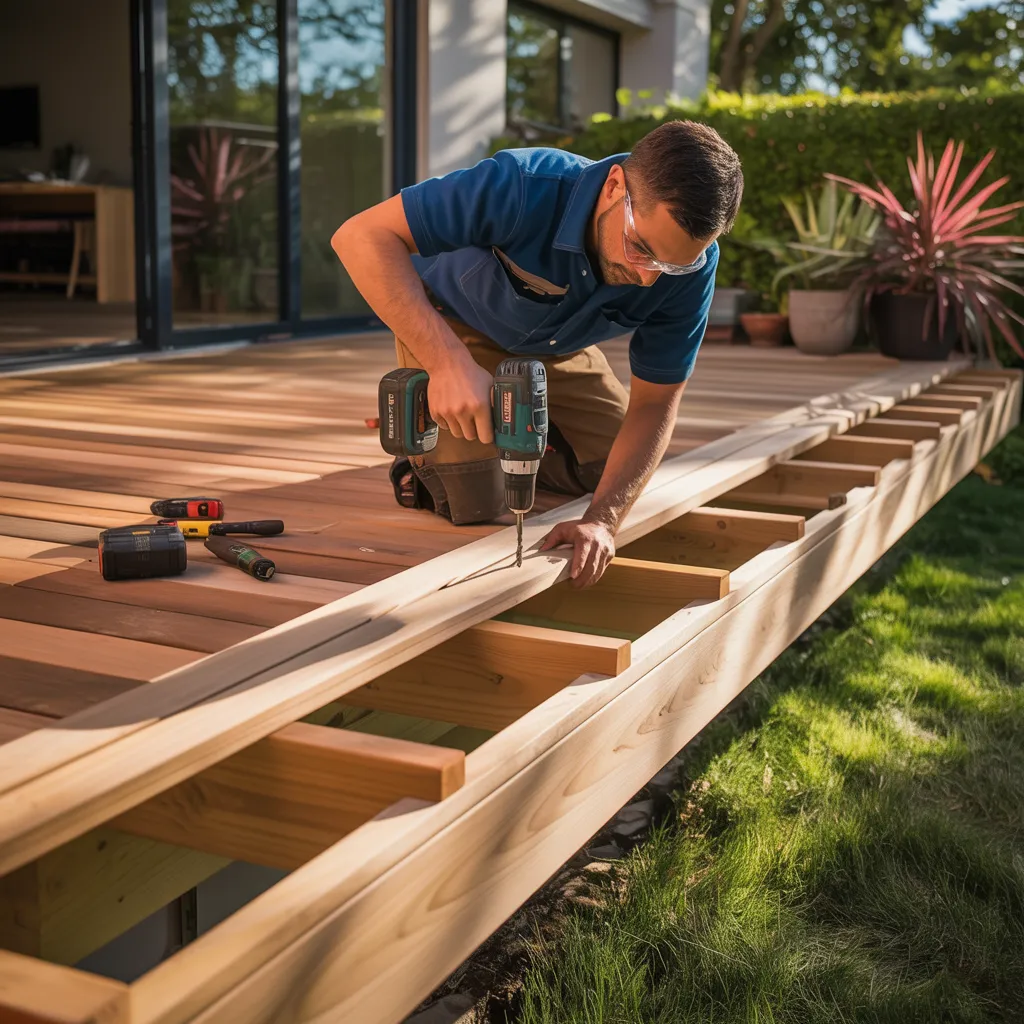
Why Picking the Right Deck Builder Makes a Difference for Your Distinct Project
In what way does the selection of a deck construction professional affect the success of a building project? The best deck builder can greatly impact both the quality and effectiveness of a building project. A qualified builder offers experience and knowledge, ensuring that the deck meets both visual and functional standards. They can deliver valuable insights into design possibilities, materials, and local building codes, which assists in avoiding expensive errors.
Moreover, a well-established builder has established connections with suppliers, potentially resulting in better pricing and access to high-quality materials. This can lead to a more durable and visually appealing finished product. By comparison, choosing an unqualified or untrustworthy builder may lead to setbacks, financial overruns, and subpar results. Consequently, it is important to evaluate builders based on their certifications, completed work, and client testimonials. Picking the most suitable deck builder ultimately determines the overall success of the project and homeowner contentment.
What to Expect From Free Estimates
What should homeowners expect when asking for free quotes for their deck project? Initially, they can expect a detailed consultation where deck specialists review their needs and preferences. During this phase, homeowners should share information about their desired materials, design, and size. Contractors will often perform an on-site evaluation to evaluate the area, considering factors such as landscape and access points.
Homeowners ought to also look for a transparent breakdown of costs associated with labor, materials, and extra features. Quotes generally contain multiple choices, enabling homeowners to evaluate diverse pricing options and designs. Additionally, a reliable builder may offer projected schedules for finishing the project, allowing homeowners to prepare effectively.
In conclusion, it is important for homeowners to ask questions and eliminate any confusion. This active participation helps ensure the estimate is consistent with their expectations, setting the groundwork for a successful deck-building experience.
How to Determine Your Deck Budget
Calculating a cost estimate for a outdoor deck project can often be challenging for homeowners and families. To develop a well-defined budget, it is important to begin by evaluating individual financial boundaries and deciding how much can be allocated without disrupting other important commitments. Homeowners should evaluate the size, materials, and design of the deck, as these aspects substantially determine costs.
Looking into average prices in the local market can provide valuable insights, helping to set realistic expectations. Additionally, homeowners should consider potential extra expenses, including permits, site preparation, and landscaping.
Developing a prioritized list of priorities can also aid in making decisions, allowing for adjustments based on budget constraints. Additionally, it is advisable to set aside a buffer for unanticipated expenditures, ensuring financial flexibility throughout the process. Through these measures, homeowners can define a budget that matches their expectations while staying practical.
Essential Qualities to Look for in a Deck Builder
When selecting a deck builder, it is important to emphasize expertise and experience to secure high-quality results. Moreover, ensuring that the professional maintains the necessary licensing and insurance safeguards both the property owner and their investment. These qualities serve as essential signs of a reliable and skilled professional in the decking profession.
Experience and Proficiency
Finding a skilled deck builder requires careful consideration of their background and skill set. A skilled builder will have a proven track record, showcasing a portfolio of completed projects that reflect their skill level. This expertise often results in a deeper understanding of materials, design, and construction techniques, empowering the builder to address unexpected challenges with confidence.
Knowledge also includes understanding of current trends and best practices in deck building, guaranteeing that the finished structure is not only practical but visually appealing. Furthermore, experienced contractors have greater knowledge of local regulations and can navigate permitting processes smoothly. Ultimately, selecting a deck builder with substantial experience and expertise can greatly enhance the craftsmanship and resilience of the completed structure, offering reassurance to property owners.
Licensing and Insurance
A professional deck builder ought to always carry proper licensing and insurance coverage. This verifies that the builder complies with local regulations and industry standards, offering homeowners peace of mind. Proper licensing validates the builder's qualifications and commitment to professionalism. Insurance, meanwhile, protects both the builder and the homeowner in case of accidents or damages during the project. When selecting a deck builder, clients should request proof of these credentials. A lack of proper licensing or insurance may indicate potential risks, including inferior craftsmanship or legal liability. At the end of the day, hiring a certified and insured deck construction expert is critical for a smooth and stress-free building process.
Critical Questions to Pose to Potential Deck Builders
What essential knowledge can aspiring homeowners acquire by asking the appropriate questions of potential deck builders? Engaging a deck builder involves more than simply obtaining a quote; it necessitates evaluating their knowledge and trustworthiness. Homeowners should inquire about the builder's experience and past projects, as well as request references to gauge customer satisfaction. It is essential to establish clear timelines, making sure that completion dates meet the homeowner's requirements. Furthermore, reviewing guarantees on both supplies and workmanship can offer reassurance. Property owners should additionally inquire about any subcontractors participating and their credentials. Understanding the payment structure, including deposits and final payments, is key to avoiding financial surprises. In closing, homeowners should ask about required permits for the construction, confirming conformity with local building codes. Through asking these key questions, homeowners can arrive at well-informed decisions and hire a deck builder who satisfies their specific requirements.
Choosing the Right Materials for Your Budget
In selecting materials for a deck, homeowners must consider the advantages of wood compared to composite materials. The long-term durability of materials is a key factor in this view this choice, as it affects maintenance costs and lifespan. Additionally, exploring cost-effective alternatives can deliver cost-conscious choices without sacrificing quality.
Wood Versus Composite Materials
When deciding between wood and composite materials for deck building, homeowners need to consider both aesthetic appeal and budget limitations. Wood delivers a timeless, natural appearance and tends to cost less at the outset. Yet, it demands routine upkeep, such as staining and sealing, which may increase long-term expenses. In contrast, composite materials, made from a blend of wood fibers and plastic, present a low-maintenance solution with numerous color and finish options. Though the initial cost for composites tends to be greater, they resist fading and warping, drawing in those who prioritize long-term performance. In the end, the decision depends on personal preferences, willingness to perform upkeep, and overall budget planning, which means homeowners should thoroughly assess these elements before arriving at a final choice.
Long-Range Durability Aspects
Longevity serves as a key consideration in determining the best materials for building a deck, particularly for budget-minded homeowners. When considering options, wood and composite options come with their own set of strengths and weaknesses. Organic wood, despite its attractive appearance, necessitates routine maintenance to avoid decay, warping, and insect deterioration. By comparison, composite materials provide superior durability, standing up to fading and wear with very little maintenance. Homeowners ought to consider their local environmental conditions, as humidity and sunlight exposure can impact how long materials last. Moreover, considering the primary function of the deck is important; high-traffic areas may necessitate sturdier options. Ultimately, the right choice balances initial investment with long-term performance, ensuring that the deck remains functional and visually appealing for years to come.
Affordable Options Available
Picking the ideal options for building a deck can greatly affect both appearance and cost. Property owners looking for budget-friendly alternatives often explore pressure-treated wood, which offers durability at a lower price point compared to premium hardwoods. Composite options also present a practical choice, combining recycled plastics and wood fibers for a extended-life solution that needs minimal upkeep. For those on tighter spending plans, treated plywood can function as an economical solution, though it may not withstand the elements as well. Moreover, vinyl decking is becoming more popular for its cost-effectiveness and resistance to rot and fading. By assessing these choices, property owners can create a beautiful and functional deck without exceeding their financial limits, guaranteeing a sound investment for the future.
Tips for Evaluating Deck Builder Proposals
What steps can homeowners take to properly assess deck builder proposals and ensure they select the right option? First, they should compare multiple estimates, looking for variations in pricing, materials, and timelines. A detailed breakdown of costs helps clarify what is included and allows for informed comparisons. Furthermore, assessing the contractor's experience and professional reputation is a vital step; reaching out to references and exploring online reviews reveals important details about their trustworthiness and skill level.
Homeowners should also confirm that proposals cover essential permits and warranties, as these considerations can heavily influence long-term satisfaction. It is advisable to ask questions about the building process and material choices, confirming consistency with the homeowner's expectations and financial plan. Lastly, transparent communication is essential; proposals should be simple and absent of confusing terminology, demonstrating the builder's pledge to transparency. By implementing these measures, homeowners can make an informed decision when selecting a deck builder that meets their needs.
How to Prepare for Your Deck Installation Day
Deck installation can be both exciting and overwhelming for many homeowners. Adequate preparation can reduce stress and ensure a seamless process. First, homeowners should remove any furniture, plants, or obstacles from the installation area to allow the builders easy access. Doing so not only streamlines the work but also safeguards any existing landscaping.
Additionally, homeowners should discuss particular preferences or worries to the building team, making sure everyone is on the same page. It is helpful to maintain a dedicated zone for materials and tools, which supports proper organization throughout the construction process.
In addition, property owners should brace for likely noise and activity by giving neighbors advance notice. Finally, putting a plan in place for pets and children while installation is underway is key to safety and minimizing disruptions. By taking these steps, homeowners can create a conducive environment for the deck builders, making the experience enjoyable and efficient.

Frequently Asked Questions
What Deck Types Can I Select From?
Property owners can select from various deck types, including wood, composite, aluminum, and PVC. Every material provides distinct advantages, such as durability, maintenance requirements, aesthetics, and cost, creating customized exterior spaces designed to meet individual needs.
What Is the Average Timeframe for a Deck Installation?
A standard deck build usually spans between one and two weeks, subject to the scope and complexity of the job. Weather conditions and material availability can also influence the overall timeline for finishing.
Are Permits Needed for Deck Construction?
Indeed, building permits are usually necessary for deck construction. Local building authorities commonly require homeowners to acquire permits to confirm compliance with zoning laws, safety standards, and building codes, supporting neighborhood aesthetics and structural integrity.
What Warranties Do Deck Builders Usually Offer?
Deck builders typically offer warranties that address materials, workmanship, and structural integrity, often ranging from one to ten years. These warranties ensure protection from defects and give homeowners confidence in their investment.
Is It Possible to Customize My Deck Design?
Indeed, deck designs are often able to be customized to meet individual requirements. Most deck specialists cooperate directly with property owners to include distinctive features, materials, and layouts, confirming the completed project aligns with the customer's vision and needs.